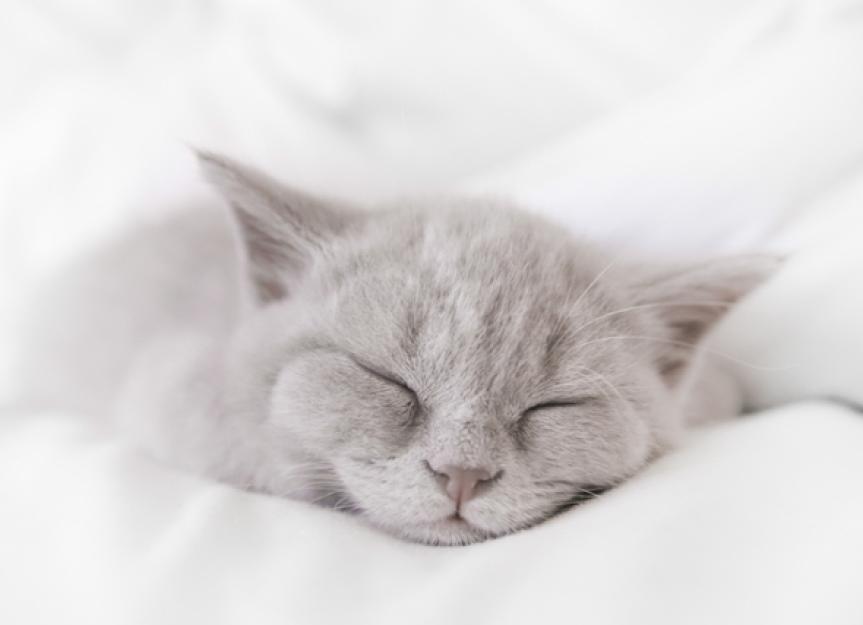
Why Your Cat Snores: Common Causes vs. Vet Visit Triggers
Hearing a soft rumble or even a full-blown chainsaw impression from your feline friend while they’re deep in slumber can be both amusing and, for many pet parents, a little concerning. Just like humans, some cats are natural snorers, while others sleep in blissful silence. Given that cats spend a significant portion of their lives – typically 15 to 16 hours a day – asleep, if your furry companion is a noisy sleeper, you're likely to hear a lot of it! The big question on many owners' minds is:
Is It Normal For A Cat To Snore? Let's delve into the fascinating world of feline sleep sounds, distinguishing between harmless snores and those that might warrant a trip to the vet.
The Mechanics Behind the Rumbles: Why Do Cats Snore Anyway?
At its core, cat snoring isn't much different from human snoring. It primarily occurs during the deepest stages of sleep when your cat’s entire body, including the soft tissues in their nose and throat passageways, relaxes completely.
Cats, like us, possess a loose flap of skin situated at the back of the nasal passage. This anatomical feature is generally beneficial, allowing air to pass freely during breathing while preventing water from entering the nasal cavity when they drink. The distinctive sound we recognize as snoring is the result of this flap vibrating as air moves past it when your cat is deeply relaxed and asleep.
The specific shape of a cat's head and face can significantly influence the size and position of this flap, meaning some breeds are inherently more prone to snoring. For example, brachycephalic (flat-faced) breeds like Persians, Himalayans, and Exotic Shorthairs often have shortened nasal passages and elongated soft palates, which can obstruct airflow more easily, leading to more frequent or louder snoring.
It’s worth noting that your cat is generally less likely to snore during REM (Rapid Eye Movement) sleep, often referred to as dream sleep. This is the stage where you might observe your pet twitching, jerking their paws, or even making soft squeaks as they process fragments of their feline dreams.
Sometimes, a cat’s deep purr can be mistaken for snoring. If you’re unsure whether your cat is purring or snoring, listen closely. A purr typically maintains a fairly constant sound and rhythm, whereas a snore will vary in intensity and timing, directly correlating with their breathing pattern, often becoming louder on exhalation.
Is It Normal For A Cat To Snore? Separating Fact from Fiction
For most cats, the answer to "Is it normal for a cat to snore?" is a resounding *yes*, and it's generally nothing to be concerned about. Many factors can contribute to a cat becoming a noisy sleeper, most of which are benign.
One of the most common and harmless reasons a cat might snore is simply their sleeping position. Just like people, cats can find themselves in peculiar contortions that temporarily restrict airflow. You might notice your cat snoring loudly when they’re curled up with their head tucked awkwardly, sleeping upside down, or squashed against the edge of their favorite bed or your leg. In these cases, the pressure on their nasal passages or throat causes the snoring sound. Once they shift position and their airways open up, the snoring typically stops.
Age can also play a role. Older cats may be more prone to snoring than younger kittens. As cats age, their muscle tone can decrease, leading to greater relaxation of throat tissues during sleep. Furthermore, age-related health conditions, such as early-stage arthritis or even a slight increase in weight, can indirectly contribute to snoring by putting mild pressure on the chest or airways.
Environmental factors can also sometimes induce snoring. A stuffy nose, often caused by upper respiratory infections (like cat flu) or an allergic reaction to pollen, dust, or other irritants in their environment, can make breathing more difficult and lead to snoring. While a temporary stuffy nose is usually not a major concern, persistent congestion should always be monitored.
If you’ve recently noticed your cat starting to snore, especially if it's a new or sudden development, it's wise to pay a little closer attention. While often benign, a sudden change can sometimes signal something more. For more detailed information on what might be causing such a shift, you can refer to our article on
Sudden Cat Snoring: Key Causes, Symptoms & When to Seek Help.
When Snoring Becomes a Red Flag: Signs You Should Call the Vet
While cat snoring is often harmless, there are specific circumstances and accompanying symptoms that indicate it’s time to consult your veterinarian. The key is to look for changes in snoring patterns or the presence of other concerning health indicators.
You should seek veterinary attention if:
* **The Snoring is New, Sudden, or Significantly Louder**: A dramatic change in your cat’s snoring habits that doesn’t seem related to sleeping position.
* **Difficulty Breathing**: This is the most critical symptom. If your cat appears to be struggling to breathe while awake or asleep, seems distressed, gasps for air, or exhibits open-mouthed breathing (which is unusual for cats), it's an emergency.
* **Accompanying Respiratory Symptoms**: Look for signs like gagging, retching, coughing, sneezing, nasal discharge, watery eyes, or wheezing. These could point to an upper respiratory infection, allergies, or even asthma.
* **Changes in Behavior or Appetite**: If your cat becomes lethargic, loses interest in food or play, or seems generally unwell in conjunction with increased snoring.
* **Signs of Pain or Irritation**: Pawing at the face, rubbing their nose, or exhibiting discomfort around the mouth or nose area.
Potential underlying causes for concerning snoring, as identified by a vet, can include:
* **Upper Respiratory Infections (URIs)**: Like cat flu, these infections cause inflammation and congestion in the nasal passages, making airflow difficult.
* **Allergies**: Reactions to environmental allergens (pollen, dust mites, certain foods) can cause swelling and mucus production in the airways.
* **Foreign Bodies**: Sometimes, a cat might inhale a small object like a blade of grass, a seed, or a tiny piece of debris, which can become lodged in the nasal passages or throat, partially obstructing airflow.
* **Growths or Masses**: This is a more serious concern and can include nasal polyps, dental abscesses that extend into the sinus cavity, or, rarely, tumors. These can physically block the airway.
* **Obesity**: Excess weight can lead to fat deposits around the throat and chest, putting pressure on the airways and diaphragm, making breathing harder and snoring more likely.
* **Brachycephalic Airway Syndrome (BAS)**: Common in flat-faced breeds, BAS is a congenital condition involving several anatomical abnormalities that severely restrict airflow. If you own a brachycephalic cat and notice severe or worsening snoring, it's particularly important to consult your vet.
In essence, while occasional, soft snoring is usually harmless, any significant change or snoring accompanied by other symptoms warrants a professional evaluation. For a deeper dive into when cat snoring signals a more serious issue and what those signs might mean, our article
Is Cat Snoring Normal? When to Worry & What It Means offers additional insights.
Beyond the Snore: Other Factors and Prevention Tips
Even if your cat's snoring is benign, understanding other factors and implementing some preventive measures can contribute to their overall health and potentially reduce noisy sleep.
* **Maintain a Healthy Weight**: Obesity is a significant contributor to respiratory issues and snoring in cats. Ensuring your cat maintains a healthy weight through a balanced diet and regular exercise can alleviate pressure on their airways and improve their overall quality of life.
* **Monitor Environmental Allergens**: Keep your home as dust-free as possible. Consider using air purifiers, especially if you suspect environmental allergies. Avoid strong-smelling cleaning products, perfumes, or air fresheners that could irritate your cat's sensitive respiratory system.
* **Ensure Good Hydration**: Adequate hydration helps keep mucous membranes moist and can reduce the thickness of nasal secretions, potentially easing airflow.
* **Choose Appropriate Bedding**: Sometimes, a cat bed that provides good support for their head and neck can help keep their airways open. Experiment with different bed types to see what your cat prefers and if it affects their snoring.
* **Regular Veterinary Check-ups**: Routine vet visits are crucial for catching potential health issues early. Your vet can identify underlying conditions like allergies, dental problems, or early-stage respiratory infections before they become severe. Discuss any concerns about snoring during these check-ups, even if you don't perceive it as an emergency.
* **Observe and Document**: Keep a mental (or even written) note of when your cat snores, how loud it is, what position they're in, and if there are any associated symptoms. This information can be invaluable to your vet if concerns arise.
Conclusion
Ultimately, a cat’s snore is often just another charming quirk in their personality, a sign of deep, contented sleep. For most feline companions, a little rumble during their nap is perfectly normal and no cause for alarm. However, being an attentive pet parent means knowing when to differentiate between a harmless purr-like snore and a sound that might signal an underlying health issue. By understanding the common causes of cat snoring, recognizing the red flags that warrant veterinary attention, and taking proactive steps to support your cat's health, you can ensure your beloved companion continues to enjoy their restful slumber, whether noisy or quiet. When in doubt, a quick chat with your veterinarian is always the safest and most responsible course of action.