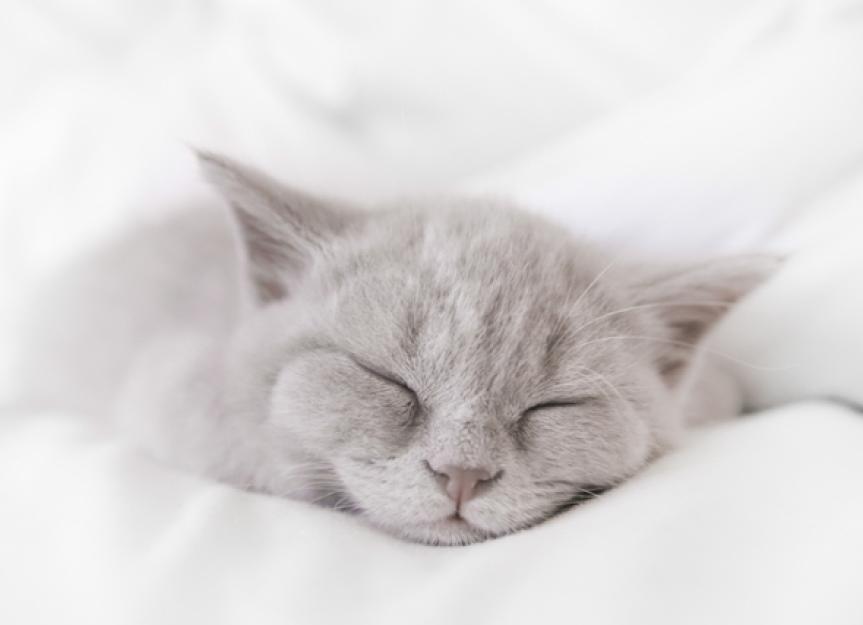
Understanding Cat Snoring: The Basics of Feline Snores
The soft rumble or occasional loud snort from a sleeping cat can be a peculiar sound for many pet parents. It’s natural to wonder, "Is it normal for a cat to snore?" and to feel a pang of concern if this is a new phenomenon. The good news is that, much like humans, some cats are simply noisy sleepers.
Snoring occurs when the soft tissues around the nose and throat relax completely during the deepest stages of sleep. This relaxation causes a loose flap of skin, known as the soft palate, at the back of the nasal passage, to vibrate as air passes through. The sound we recognize as snoring is the result of these vibrations. The unique shape of a cat's head and face can influence the size and position of this flap, making certain felines more predisposed to snoring than others. For example, some breeds with shorter snouts (brachycephalic breeds) can be more prone due to their unique anatomical structure.
It's important to differentiate snoring from purring, as both can involve throat vibrations. A cat’s purr is typically a consistent, rhythmic sound, often associated with contentment or sometimes stress. Snoring, however, changes in intensity and rhythm with each breath, usually becoming louder during exhalation. You'll also notice it aligns directly with their breathing pattern. So, while a gentle, consistent purr is a sign of a happy cat, a fluctuating, breath-linked rumble is more likely a snore.
While many cats snore softly, others can be quite noticeable, especially given that felines typically spend 15 to 16 hours a day in slumber! Most often, this gentle rumbling is entirely benign, but a sudden onset or change in snoring habits does warrant closer attention.
Why the Sudden Change? Common Causes of New or Increased Cat Snoring
If your cat has suddenly started snoring, or if their snoring has significantly increased in volume or frequency, it's understandable to be concerned. While it’s tempting to jump to worst-case scenarios, several common and often harmless reasons can explain a sudden change in your cat's sleep sounds.
Sleeping Position Peculiarities
Perhaps the most straightforward explanation for new or louder snoring is your cat's sleeping position. Cats are masters of contortion, often finding themselves in surprisingly awkward or adorable poses. If your feline friend is snoozing with their head squashed against a bed, curled tightly into a ball, or even upside down with their head resting oddly, it can put pressure on their nasal passages and throat. This temporary constriction can lead to vibrations and, consequently, snoring. Once they shift to a more open-airway position, the snoring typically stops. Observe your cat's posture; a quick adjustment might be all that’s needed to silence the snores.
Upper Respiratory Infections (URIs)
Just like humans can get a stuffy nose that leads to snoring, cats can too. Upper respiratory infections, often referred to as "cat flu," are a common culprit. These infections can be caused by viruses (like feline herpesvirus or calicivirus) or bacteria. When a cat has a URI, inflammation and mucus buildup in the nasal passages and throat can partially obstruct airflow, causing the tissues to vibrate and snore.
Symptoms associated with a URI include:
- Sneezing
- Nasal discharge (clear, yellow, or green)
- Watery or crusty eyes
- Coughing
- Lethargy or reduced activity
- Loss of appetite
If your cat's sudden snoring is accompanied by any of these signs, a trip to the vet is advisable for diagnosis and treatment.
Allergies and Environmental Irritants
Cats can suffer from allergies to various environmental factors, much like people. Pollen, dust mites, mold, certain cleaning products, or even components in their litter can trigger an allergic reaction. This can lead to inflammation and congestion in their nasal passages and throat, mimicking URI symptoms and causing them to snore. Identifying and removing the allergen from their environment, if possible, can often resolve the issue.
Weight Gain and Obesity
A significant increase in your cat's weight can also lead to new or more prominent snoring. Extra fatty tissue can accumulate around the throat and chest, putting pressure on the airways and making them narrower. This increased resistance to airflow during sleep can cause the soft tissues to vibrate more easily. Obesity is a growing concern for feline health, contributing to various other health issues beyond snoring. If your cat has gained weight, incorporating a diet and exercise plan under veterinary guidance can help not only with snoring but also with their overall well-being. Older cats, who may become less active, are particularly susceptible to weight gain and thus, increased snoring due to this factor.
Age-Related Changes
As cats age, their bodies undergo various changes. Tissues, including those in the respiratory tract, may naturally relax or lose some elasticity. This can contribute to snoring that becomes more noticeable or begins later in life. Additionally, older cats may develop other health conditions, such as arthritis, which might make it difficult for them to find a comfortable sleeping position, indirectly leading to snoring.
Beyond the Ordinary: When Cat Snoring Signals a Problem
While many causes of cat snoring are benign, a sudden onset or a change in the character of snoring can sometimes be a red flag for more serious underlying health issues. Knowing when to suspect something more significant is crucial for your cat's health.
Airway Obstructions
One of the more concerning reasons for sudden snoring is a partial blockage in your cat's airways. This could be due to:
- Foreign Bodies: Cats are curious creatures, and it’s not uncommon for them to inhale small objects like blades of grass, seeds, or even small pieces of toys into their nasal passages or throat. This can cause immediate irritation, sneezing, and new-onset snoring as the air struggles to pass around the obstruction.
- Growths: Polyps, cysts, or even cancerous tumours can develop in the nasal passages, sinuses, or throat, gradually narrowing the airway. These growths can cause snoring that worsens over time, often accompanied by other symptoms like facial swelling, nasal discharge, or difficulty breathing.
- Dental Issues: Severe dental problems, such as a tooth root abscess, can sometimes extend into the nasal cavity, causing inflammation and obstruction that leads to snoring or other breathing difficulties.
Brachycephalic Airway Syndrome
While not a "sudden" cause, if you've recently adopted a brachycephalic breed (cats with short, flat faces like Persians or Himalayans), their snoring might be more pronounced and potentially indicative of Brachycephalic Airway Syndrome (BAS). These breeds are anatomically predisposed to breathing difficulties due to narrowed nostrils, an elongated soft palate, or other structural abnormalities that impede airflow. While they may snore from kittenhood, any worsening or new signs of respiratory distress warrant immediate veterinary attention. Their snoring often signifies a constant struggle for sufficient air.
Elongated Soft Palate
Even in non-brachycephalic breeds, an elongated soft palate can be a congenital condition where the flap of tissue at the back of the throat extends too far, partially blocking the entrance to the trachea. This condition can cause chronic snoring and, in severe cases, significant breathing difficulties, especially during exertion or excitement.
Other Health Conditions
Sometimes, snoring can be a secondary symptom of other systemic health problems. Conditions like asthma, chronic bronchitis, or even early-stage heart disease (which can lead to fluid accumulation in the lungs, causing congestion) can all manifest as changes in your cat's breathing sounds, including snoring or wheezing. If your cat has a pre-existing health condition, any new or worsening snoring should be reported to your veterinarian.
Symptoms to Watch For: When to Consult Your Vet
So, when does "Is it normal for a cat to snore?" shift from a casual query to a pressing concern that requires veterinary intervention? While gentle, occasional snoring in a deeply relaxed cat is usually nothing to worry about, certain accompanying symptoms or changes in snoring habits should prompt a visit to your veterinarian.
You can learn more about when to worry by reading our detailed article:
Is Cat Snoring Normal? When to Worry & What It Means.
Here are the key red flags to watch for:
- Labored or Difficult Breathing: This is the most critical symptom. Look for open-mouthed breathing (cats typically breathe through their noses), gasping, exaggerated chest and abdominal movements, or a "heaving" motion while breathing.
- Distress Signals: Any signs of your cat struggling or appearing uncomfortable, such as gagging, retching, persistent coughing, choking sounds, or pawing at their face, should be taken seriously.
- Changes in Energy Levels: If your cat becomes lethargic, less interested in play, or generally quieter than usual, it could indicate they're not feeling well.
- Loss of Appetite or Thirst: A sudden disinterest in food or water is always a cause for concern in cats and can accompany respiratory issues.
- Nasal or Ocular Discharge: Thick, discolored (yellow, green), or persistent discharge from the nose or eyes often points to an infection.
- Blue-Tinged Gums or Tongue: This is an emergency! Cyanosis (blue discoloration) indicates a severe lack of oxygen and requires immediate veterinary attention.
- Sudden, Dramatic Increase in Snoring: If the snoring becomes extremely loud, continuous, or suddenly much worse than before, especially without a clear positional cause, it's worth investigating.
- Restlessness During Sleep: If your cat seems unable to get comfortable, frequently shifts positions, or wakes up abruptly, their breathing might be an issue.
- Pain or Irritation: Signs of discomfort around the face, nose, or throat (e.g., rubbing their face, vocalizing when touched) coupled with snoring.
If you notice any of these symptoms alongside your cat's snoring, don't hesitate to contact your vet. Early diagnosis and treatment can prevent more serious complications and significantly improve your cat's comfort and quality of life. Understanding the nuances between common causes and those that trigger a vet visit is essential for responsible pet ownership. For further guidance on this distinction, consider reading
Why Your Cat Snores: Common Causes vs. Vet Visit Triggers.
Conclusion
The symphony of purrs and meows in your home may now include the occasional snore from your beloved feline. While the answer to "Is it normal for a cat to snore?" is often a reassuring "yes," especially for soft, occasional rumbles, a sudden onset or change in snoring should always prompt attentive observation. From a simple change in sleeping position to more complex underlying health issues like infections, allergies, obesity, or even airway obstructions, the causes are varied. By understanding the key symptoms to watch for and recognizing when snoring crosses the line from charming quirk to potential health concern, you can ensure your cat receives the appropriate care. Your vigilance as a pet parent is the best tool for maintaining your cat's health and ensuring their continued comfort and well-being.