Is Cat Snoring Normal? When to Worry & What It Means
The gentle rumble of a contented feline is a sound many cat owners cherish. But what about a less-than-gentle rumble – a snore? If your furry friend often sounds like a tiny buzzsaw during their nap, you're not alone. Many cats are noisy sleepers, and while it can be amusing, it naturally leads to an important question:
Is it normal for a cat to snore? For most feline companions, a bit of snoring is perfectly typical, a sign of deep relaxation. However, like any change in a pet's health or behavior, it can sometimes signal an underlying issue that warrants a closer look. Understanding the difference between normal cat snoring and when it might be a cause for concern is key to ensuring your beloved pet's well-being.
The Science Behind Your Cat's Snore: Why Do They Make That Noise?
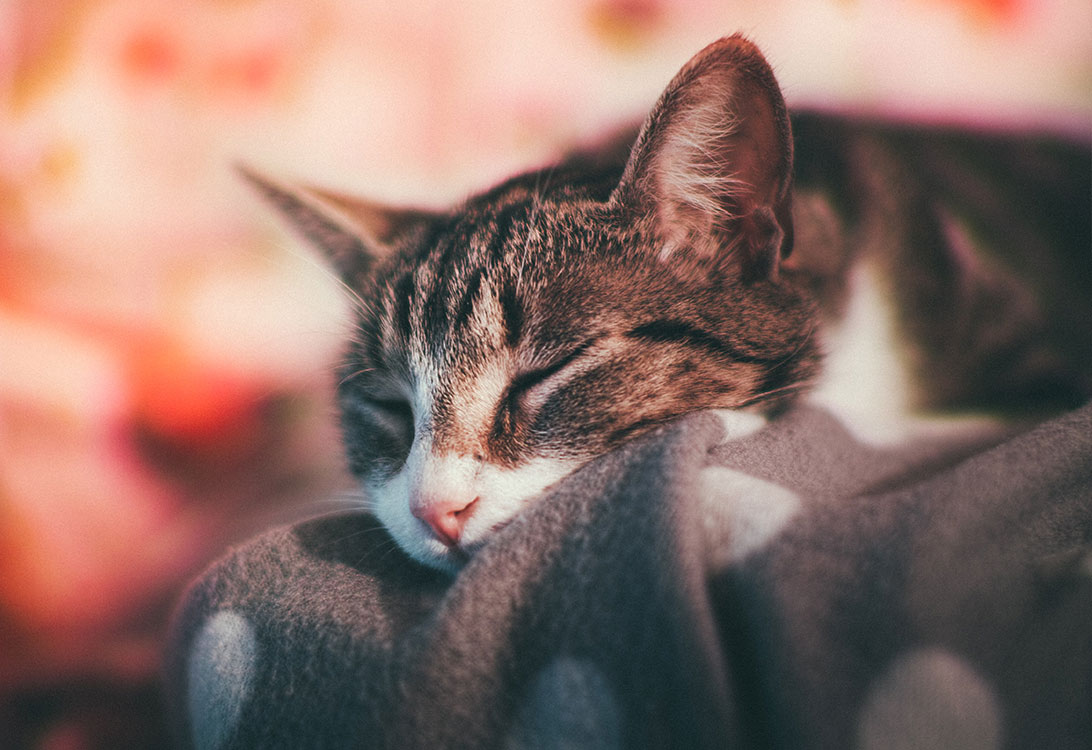
Just like humans, cats snore when the soft tissues in their upper airways relax during sleep, causing them to vibrate as air passes through. This phenomenon is most likely to occur during the deepest stages of your cat's sleep cycle. As their entire body unwinds, the muscles and soft tissues around their nasal passages and throat also loosen.
Central to this process is a loose flap of skin located at the back of the nasal passage. This flap plays a crucial role in directing air and preventing liquids from entering the nose when they drink. When your cat is deeply relaxed and asleep, this flap can vibrate with each breath, producing the characteristic sound we recognize as snoring. The specific shape of a cat's head and face can significantly influence the size and position of this flap, making some breeds inherently more prone to snoring than others. For instance, brachycephalic (flat-faced) breeds like Persians, Himalayans, and Exotic Shorthairs often have shortened airways and compressed facial structures, which can increase their likelihood of snoring due to their unique anatomy.
It's interesting to note that cats are less likely to snore during REM (rapid-eye movement) sleep, often referred to as "dream sleep." This is the stage where you might observe your cat twitching, gently jerking, or even emitting soft squeaks as they vividly act out their feline dreams.
Sometimes, a cat's purr can be mistaken for a snore, especially if it's a deep, resonant purr. If you're unsure whether your cat is purring or snoring, listen closely. A purr is typically a more continuous and constant sound, whereas a snore usually fluctuates in volume and rhythm, directly correlating with their breathing, often being loudest on exhalation.
Is It Normal For A Cat To Snore? Decoding the Usual vs. Unusual
To directly answer the main question, yes,
it is normal for a cat to snore in many cases. Snoring is not at all unusual for felines and is generally nothing to worry about if it's an occasional, soft rumble from a deeply sleeping cat. Some cats are simply more prone to it than others, and it can become more common as they age.
Older cats, for example, may start snoring more frequently than younger kittens. This can be due to a natural loss of muscle tone in the throat as they age, or it might be linked to developing age-related health conditions. Conditions such as obesity or even arthritis, which might alter their sleeping posture and put pressure on their chest, can contribute to snoring as cats get older.
However, while common, not all snoring is benign. The key distinction lies in *when* and *how* your cat snores, and if it's accompanied by any other symptoms. A sudden onset of snoring, a significant increase in its loudness or frequency, or snoring coupled with other signs of distress should always prompt investigation.
When to Worry: Red Flags and Symptoms That Require a Vet Visit
While occasional snoring is often harmless, certain types of snoring or associated symptoms can be red flags indicating a more serious underlying health issue. It's crucial for cat owners to observe their pet's breathing patterns carefully. You shouldn't hesitate to consult your veterinarian if you notice any of the following:
*
Sudden Onset of Snoring: If your cat has never snored before and suddenly starts, or if their snoring significantly increases in loudness or frequency, it could signal an emerging problem. For more detailed insights into this, check our article on
Sudden Cat Snoring: Key Causes, Symptoms & When to Seek Help.
*
Difficulty Breathing or Distress: This is perhaps the most critical symptom. If your cat appears to be struggling to breathe, gasping for air, gagging, retching, coughing, or showing any signs of discomfort or distress while breathing, seek immediate veterinary attention.
*
Changes in Breathing Patterns: Listen for wheezing, whistling, or raspy sounds accompanying the snore. Labored breathing, where your cat's abdomen or chest visibly heaves, is a serious sign.
*
Nasal Discharge or Sneezing: If snoring is accompanied by discharge from the nose (clear, yellow, or green), frequent sneezing, or watery eyes, it could indicate an upper respiratory infection (like cat flu) or allergies.
*
Behavioral Changes: A cat that is lethargic, has a reduced appetite, is less playful, or shows signs of pain or irritation (e.g., pawing at their face) in conjunction with snoring needs veterinary assessment.
*
Blue-Tinged Gums or Tongue: This is a severe emergency. Cyanosis (bluish discoloration) indicates a lack of oxygen and requires immediate veterinary intervention.
*
Changes in Snoring Quality: If the snoring sounds harsher, more strained, or more sporadic (with pauses in breathing), it's a concern.
Potential causes for concerning snoring include:
*
Upper Respiratory Infections (URIs): Like humans, cats can get stuffy noses from colds or flu. Inflammation and mucus buildup can partially block airways, leading to snoring.
*
Allergies: An allergic reaction to pollen, dust, certain foods, or other environmental irritants can cause inflammation and congestion in the nasal passages and throat.
*
Obesity: Excess weight can lead to fat deposits around the neck and throat, narrowing the airways and making snoring more likely, especially as they get older.
*
Foreign Bodies: Sometimes, a foreign object, such as a blade of grass or a seed, can become lodged in the nasal passages or throat, causing partial obstruction and irritation.
*
Growths or Masses: Polyps, tumors, or even a dental abscess in the oral cavity or nasal passages can obstruct airflow, leading to noisy breathing and snoring.
*
Brachycephalic Airway Syndrome: While normal for these breeds to snore more, any sudden worsening or distress warrants checking for issues like elongated soft palates or everted laryngeal saccules.
*
Asthma or Other Lung Conditions: These can contribute to congestion and difficulty breathing, manifesting as snoring or wheezing.
Common Reasons for Temporary or Occasional Snoring That Are Harmless
Not every snore needs a trip to the vet. Many times, cat snoring is perfectly benign and temporary, often attributed to simple factors within their environment or even their quirky sleeping habits. Understanding these common, harmless causes can help you differentiate between normal snores and those that might signal something more. For a broader overview of various snoring causes, you can also consult our guide:
Why Your Cat Snores: Common Causes vs. Vet Visit Triggers.
Here are some typical reasons your cat might snore without needing medical intervention:
*
Sleeping Position: This is perhaps the most frequent innocent cause. Cats are masters of contortion, and sometimes their favorite sleeping pose can inadvertently cause snoring. If your cat is curled up tightly, sleeping with their head squashed against a bed, toy, or even your leg, or even upside down, it can put temporary pressure on their nasal passages or throat, causing partial obstruction and a rumble. Once they shift position, the snoring usually stops.
*
Deep Sleep: As mentioned, snoring is most common during the deepest stages of sleep when muscles are completely relaxed. A well-rested, deeply sleeping cat is more likely to snore softly.
*
Mild Congestion: Just like humans, cats can occasionally experience mild, temporary nasal congestion due to environmental factors like dust or very mild seasonal allergies that don't escalate into a full-blown infection. This might result in a temporary stuffy nose and some light snoring. If it clears up quickly and isn't accompanied by other symptoms, it's usually nothing to worry about.
*
Environmental Factors: A dusty room, a new strong scent, or even a sudden change in humidity can sometimes trigger a brief period of mild irritation in a cat's airways, leading to a temporary snore.
Practical Tips for Owners of Snoring Cats
As a responsible cat owner, your vigilance is the best tool for distinguishing between normal and concerning snoring. Here are some actionable tips:
1.
Observe and Monitor: Pay attention to your cat's snoring patterns. Is it new? Has it changed in loudness or frequency? Does it happen every time they sleep, or just occasionally? Keeping a mental (or even written) note can be very helpful.
2.
Check for Accompanying Symptoms: Always be on the lookout for other signs like difficulty breathing, nasal discharge, lethargy, coughing, sneezing, or changes in appetite or behavior.
3.
Ensure a Clean Environment: Regularly clean your home to reduce dust and allergens that might irritate your cat's respiratory system. Consider air purifiers if your cat seems prone to environmental allergies.
4.
Maintain a Healthy Weight: If your cat is overweight, work with your vet to develop a healthy weight loss plan. Reducing excess weight can significantly improve breathing and overall health.
5.
Provide Comfortable Sleeping Spots: Ensure your cat has various comfortable, well-ventilated sleeping areas where they can choose positions that don't constrict their airways.
6.
Regular Veterinary Check-ups: Routine vet visits are crucial for catching potential health issues early, especially as your cat ages. Your vet can perform a thorough examination to rule out any underlying medical causes for snoring.
7.
When in Doubt, Consult Your Vet: If you're ever concerned about your cat's snoring, even if you don't see obvious red flags, a quick call or visit to your veterinarian is always the safest course of action. They can provide peace of mind or identify problems you might have missed.
Conclusion
In most instances, a soft snore from your feline companion is simply a sign of deep, peaceful slumber, indicating a relaxed and contented cat.
Is it normal for a cat to snore? Yes, often it is. However, being attuned to your cat's unique habits and knowing what constitutes a "normal" snore for *them* is invaluable. While gentle rumbles can be endearing, any sudden changes, an increase in severity, or the presence of additional symptoms like labored breathing, coughing, or lethargy should never be ignored. By being observant and proactive, you can ensure that your beloved cat continues to breathe easy, whether they're silently dreaming or noisily sawing logs.